
Top 10 Dealfront (Now Leadfeeder) Competitors & Alternatives In 2026
Looking for Dealfront (Now Leadfeeder) competitors? Discover the top 10 alternatives, such as to improve your lead generation efforts.
.avif)
Content Marketer

Content Marketer



.svg)


TL;DR
- Dealfront, now rebranded back to Leadfeeder as of March 2026, is a solid tool, but its pricing climbs aggressively with lead volume, its data coverage can skew heavily toward Europe, and it stops short of providing deep marketing attribution.
- Visitor tracking alternatives step in to fill the gaps, offering everything from hyper-affordable entry tiers to multi-channel data enrichment and advanced customer journey mapping.
- Align your tech stack with your growth goals; choose specialized platforms for targeted LinkedIn prospecting, enterprise sales compliance, or deep AI-driven web behavior tracking.
- Factors.ai outpaces the competition by bundling enterprise-grade account de-anonymization with multi-touch marketing attribution, giving you a full-funnel view of exactly which campaigns drive real revenue.
We've all heard 'data is the new gold', and at such a time, it's critical for businesses to dig deep and unearth insights that up their lead generation and sales processes.
Tools like Dealfront (now Leadfeeder again) are invaluable, allowing organizations to track website visitors, gain actionable insights, and convert potential leads into loyal customers.
While Dealfront is a prominent leader in this space, several compelling alternatives and competitors are worth exploring. By utilizing de-anonymized data, these tools can provide a clearer picture of visitor behavior, enabling businesses to tailor their strategies to meet specific needs. Whether it's more favorable pricing, unique features, or a better alignment with your business objectives, investigating these alternatives can help you find the ideal solution for your unique challenges.
Let’s explore some Dealfront Alternatives and see how they can enhance your lead-generation efforts.
Let's Learn A Little About Dealfront (Now Rebranded to Leadfeeder)
Overview:
Dealfront, originally known as Leadfeeder, then rebranded to Dealfront in 2023, and rebranded back to Leadfeeder in March 2026, is a robust tool that helps businesses identify anonymous website visitors and turn them into actionable leads. By integrating with Google Analytics and CRM systems like Salesforce, Dealfront allows businesses to monitor site visitors, understand visitor behavior, and identify potential leads based on the companies that visit their websites.
Key Features:
- Visitor Identification: Matches website visitors to company profiles.
- CRM Integration: Easily integrates with major CRM systems, like HubSpot, Salesforce, and Pipedrive, to streamline lead management.
- Lead Scoring: Automatically prioritizes leads based on predefined criteria.
- Detailed Analytics: Offers insights into how visitors interact with your site.
Pros:
- Easy integration with major CRMs.
- Real-time notifications of new leads.
- Insightful analytics and lead scoring.
Cons:
- Can become expensive as the number of leads increases.
- Limited customization options for smaller businesses.
- Some users report that the lead quality can be inconsistent.
Pricing:
Dealfront’s pricing starts at around $55/month for small teams, but larger teams or businesses with more visitors may face higher fees based on their lead volume.
{{INLINE_CTA_A}}
Why Are Dealfront Alternatives Necessary?
While Dealfront is a powerful tool, it may not suit every business. Some of the reasons businesses may seek alternatives include:
- Pricing Constraints:
Some businesses find Dealfront's pricing to be a bit steep, especially when scaling.
- Specific Features:
Certain companies may need specialized features like deeper AI-powered insights or better regional targeting.
- Custom Integrations:
A business might require more niche integrations not available with Dealfront.
- User Experience:
While Dealfront has a relatively simple interface, some users may prefer alternatives with different navigation or customization options.
With these considerations in mind, let’s explore the top competitors and alternatives to Dealfront that can provide businesses with valuable visitor tracking and lead generation solutions.
Top 10 Dealfront Alternatives
1. Factors.ai
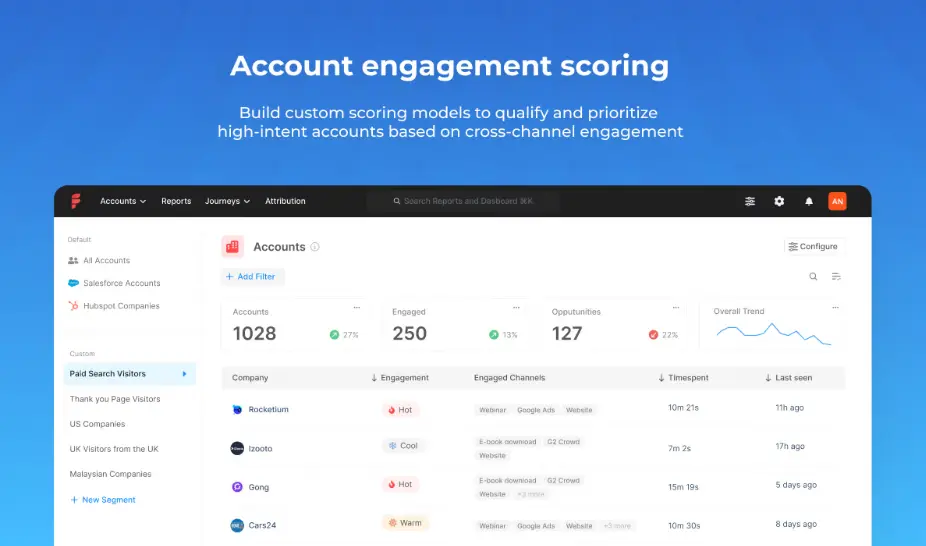
Factors.ai is an AI-driven marketing attribution and analytics platform designed to help businesses understand and optimize their customer journeys. The platform is focused on providing deeper insights into marketing activities, enabling companies to measure campaign performance more effectively.
Key Features:
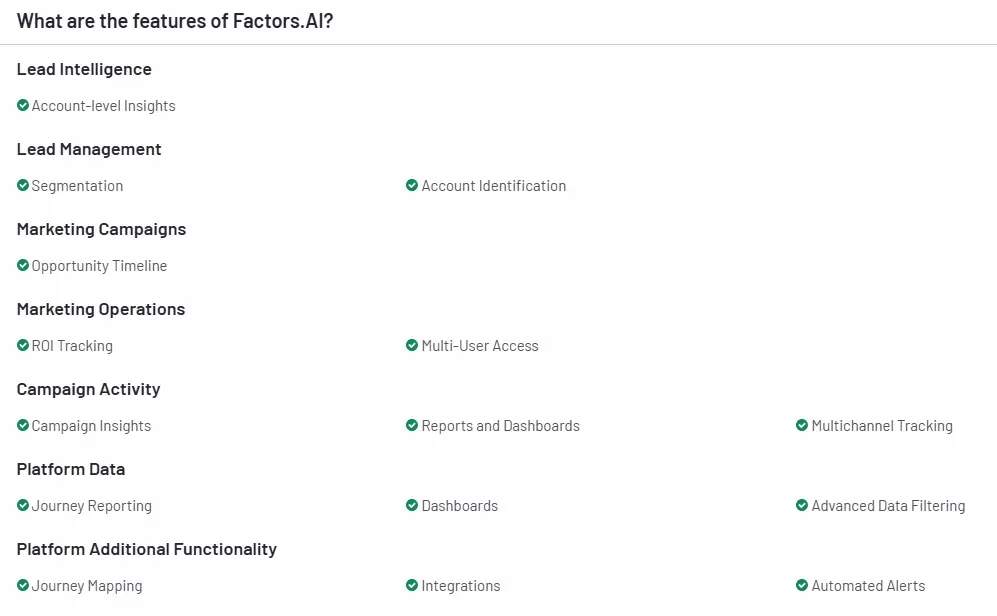
- AI-Powered Insights: Uses machine learning to deliver actionable insights into customer journeys.
- Marketing Attribution: Tracks how different touchpoints contribute to conversions.
- Customizable Dashboards: Offers flexible dashboard customization to suit various business needs.
- AdPilot: Their innovative AdPilot feature helps businesses automate and optimize their ad campaigns based on AI insights.
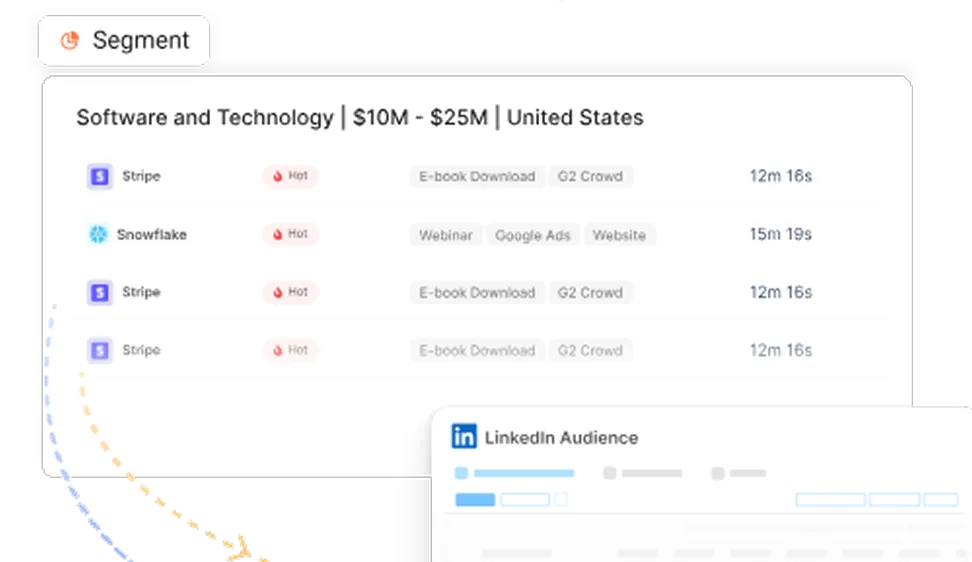
- Segments: Allows businesses to create and analyze specific customer segments based on various behavioral and demographic criteria, enabling more targeted marketing strategies.
- Workflow Automation: Streamlines marketing processes by enabling automated workflows, helping teams manage and execute campaigns efficiently while reducing manual effort.
Pros:
- Advanced AI-driven analytics.
- In-depth insights into marketing attribution and ROI.
- Excellent customization options for dashboard and reporting.
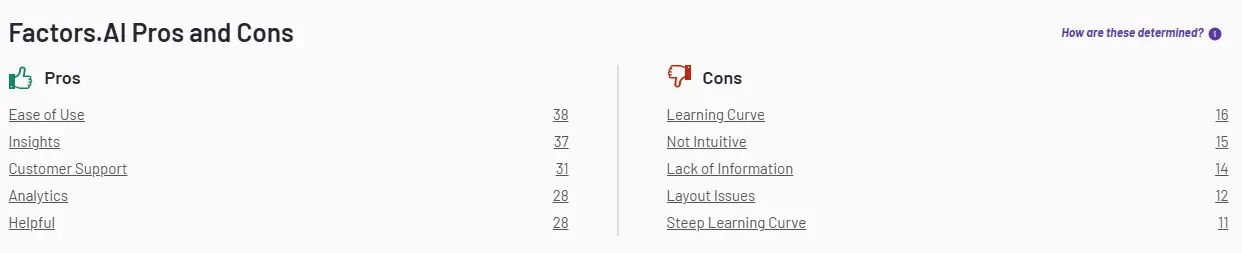
Cons:
- Steep learning curve for beginners.
- Higher pricing compared to some alternatives.
- Limited integration options compared to broader tools like Dealfront.
Pricing:
Factors.ai has four plans, starting from a free plan to a tailored plan for enterprises. Take a look at the detailed pricing.

{{INLINE_CTA_A}}
2. Lead Forensics
Lead Forensics is a sales and marketing platform built around your website traffic. It shows you which companies are on your site and what they're looking at, pings your team when a target account turns up, and gives you decision-maker contacts so you can reach out straight away. Leads get scored and routed to the right rep, and everything syncs to your CRM. Marketing teams use it to see which campaigns bring in real accounts, and account managers use it to catch existing customers browsing the site and spot upsells or win back lapsed ones.
Also Read: Lead Forensics Pricing
Key Features:
- Recognizes the companies visiting your site as it happens and shows firmographic detail for each.
- Sends alerts when target accounts arrive or come back.
- Shows which pages a company viewed and how it found you.
- Adds decision-maker contact data and lead scoring for identified companies.
Pros:
- Contact data for decision-makers at identified companies.
- Real-time alerts when accounts visit.
- Lists a dedicated customer success manager on its pricing page.
Cons:
- Recognizes the business behind a visit, not the individual who made it.
- Pricing is quote-based, so you need a demo and trial to see a figure.
Pricing:
Lead Forensics doesn't publish a price. What you pay depends on your website traffic, and a one-week trial shows you that volume before you commit. There are two plans, Essentials and Automate, and you can add as many users as you like.
3. Warmly
Warmly is a LinkedIn prospecting tool designed to help businesses connect with high-quality leads. By providing real-time insights about LinkedIn profiles, Warmly enables better-targeted engagement with prospective clients.
Also read: ZoomInfo Pricing in 2026: Plans, Costs, Alternatives & Overview
Key Features:
- LinkedIn Integration: Direct integration with LinkedIn for seamless profile analysis.
- Contact Information Discovery: Helps users uncover contact information for leads quickly.
- Customizable Profiles: Users can customize lead profiles to capture specific data points relevant to their campaigns.
- Sales Automation: Allows users to set automated outreach sequences to streamline prospecting efforts.
Pros:
- User-friendly interface that simplifies LinkedIn prospecting.
- Provides detailed contact insights, enhancing the effectiveness of outreach.
- Helpful for quickly building a targeted list of quality leads.
Cons:
- Limited to LinkedIn, which may be restrictive for broader campaigns.
- Lacks advanced analytics and CRM integrations found in some competitor tools.
Pricing:
Warmly offers a basic free plan, while paid plans with more extensive features start at $49/month.
4. VisitorQueue

VisitorQueue is a lead generation tool focused on helping businesses identify previously anonymous website visitors. With its user-friendly interface, VisitorQueue is a good alternative for companies looking for a simpler solution for lead tracking.
Key Features:

- Visitor Identification: Identifies website visitors and offers company details.
- CRM Integration: Seamlessly integrates with CRMs like Salesforce, HubSpot, and Pipedrive.
- Lead Management: Allows users to manage and organize leads in an intuitive dashboard.
- Real-Time Notifications: Sends instant alerts when high-priority leads visit the site.
Pros:
- Easy-to-use and intuitive interface.
- Strong customer support and setup assistance.
- Integrates with popular CRMs for streamlined lead management.

Cons:
- Some users report that smaller companies are not always identifiable.
- Limited custom reporting features.
Pricing:
VisitorQueue’s pricing starts at $39/month, making it a cost-effective option for small to medium-sized businesses.
{{INLINE_CTA_A}}
5. Lift AI
Lift is a unique AI-powered platform that tracks website visitors in real-time and converts them into potential leads. Lift goes beyond simple visitor tracking by turning de-anonymized website visitors into paying customers with AI-powered solutions.
Key Features:
- AI-Powered Lead Conversion: Uses AI to predict which visitors will most likely convert.
- Real-Time Visitor Tracking: Monitors visitors in real-time and provides detailed insights.
- Lead Scoring: Automatically scores leads based on their likelihood to convert.
- CRM Integration: Integrates with popular CRMs for lead management.
Pros:
- Advanced AI-based lead scoring and visitor tracking.
- Focuses on increasing conversions, not just tracking.
- Real-time insights and lead alerts.

Cons:
- Pricing can be higher for smaller businesses.
- Setup can be complex for non-technical users.
Pricing:
Lift’s pricing varies depending on the business’s size and specific requirements. It offers a free trial to test its features, but premium plans are customized based on the number of website visitors and needs.
6. Leadmagic

Leadmagic is a simple yet powerful tool designed to help B2B companies track their website visitors and utilize de-anonymized data to gain valuable insights, converting leads into customers.
Also read: 10 Best Visitor Queue Alternatives For B2B Teams
Key Features:
- Visitor Tracking: Identifies which companies are visiting your website.
- CRM Integration: Connects seamlessly with leading CRM platforms.
- Lead Prioritization: Offers tools to prioritize high-quality leads.
- Detailed Analytics: It provides insights into visitor behavior and how it interacts with your site.

Pros:
- Simple and easy-to-use interface.
- Strong integrations with major CRMs.
- Offers real-time lead alerts.

Cons:
- Fewer advanced features compared to larger tools like Dealfront.
- Limited customization options for reporting.
Pricing:
Leadmagic offers transparent pricing plans starting at $49/month, making it a cost-effective option for small and mid-sized businesses.
7. Cognism

Cognism is a sales intelligence platform that helps businesses identify high-quality leads through advanced data and artificial intelligence. It’s designed to give businesses real-time insights into previously anonymous leads, making the sales process more efficient and effective.
Key Features:

- Sales Intelligence: Offers real-time data about potential leads, including verified emails and phone numbers.
- Lead Enrichment: Automatically updates lead profiles with the latest information.
- Compliance: Ensures that all data collected complies with GDPR and other relevant regulations.
- Intent Data: Uses intent signals to identify prospects who are ready to buy.
Pros:
- Offers high-quality, compliant lead data.
- Real-time insights into customer behavior and needs.
- Powerful intent data feature that helps identify hot leads.

Cons:
- Pricing may be high for smaller companies.
- Complex setup for teams not familiar with data enrichment tools.
Pricing:
Cognism offers custom pricing based on the number of leads and the specific needs of your business. Plans typically start at $1,000/month, making it more suitable for larger enterprises.
{{INLINE_CTA_A}}
8. Kickfire
Kickfire is a B2B website visitor identification tool that helps businesses uncover which companies are visiting their website, even if the visitor doesn’t fill out any forms. Kickfire's advanced IP-to-company tracking technology is ideal for companies that want detailed visitor analytics and insights based on de-anonymized data.
Key Features:

- IP-to-Company Identification: Accurately identifies which businesses are visiting your website based on their IP addresses.
- Real-Time Alerts: Sends notifications when high-value companies visit your site.
- CRM and Marketing Automation Integration: Integrates with major CRMs like Salesforce, and marketing automation tools like Marketo and HubSpot.
- Data Enrichment: Provides enriched company data to help sales teams understand more about their prospects.
Pros:
- Accurate and reliable company identification.
- Strong integration with CRMs and marketing platforms.
- Provides real-time visitor tracking and data enrichment.

Cons:
- IP-based tracking can sometimes miss smaller companies or individuals.
- Limited features outside of visitor identification and enrichment.
Pricing:
Kickfire offers customized pricing based on the size of your business and the number of visitors you track. The company offers a demo to help potential customers explore the platform.
9. Leadinfo

Leadinfo is a straightforward and user-friendly visitor tracking tool that helps businesses identify the companies visiting their website. Like Dealfront, Leadinfo delivers de-anonymized visitor behavior insights to help businesses convert website traffic into leads.
Key Features:
- Visitor Identification: Recognizes companies visiting your website in real-time.
- Lead Management: Allows businesses to manage leads directly within the platform.
- CRM Integration: Integrates with CRM tools like Salesforce, HubSpot, and Pipedrive.
- Behavioral Insights: Offers detailed insights into how visitors interact with your site.
Pros:
- Simple and easy to use, even for smaller teams.
- Offers seamless CRM integrations.
- Provides detailed insights into visitor behavior.

Cons:
- Lacks some of the advanced features available in more robust tools.
- Pricing might not be as competitive for smaller businesses.
Pricing:
Leadinfo offers a starting plan at €49/month, ideal for smaller businesses looking for basic visitor tracking and lead identification.
Also read: 10 Best Madison Logic Alternatives And Competitors In 2026
{{INLINE_CTA_A}}
10. Clearbit

Clearbit is a leading data enrichment platform that allows businesses to enrich their leads, improve marketing campaigns, and identify website visitors. Clearbit focuses on providing businesses with accurate, de-anonymized lead data, enabling more personalized and effective outreach.
Key Features:

- Data Enrichment: Enriches lead information in real-time with data such as company details, industry, employee count, and more.
- Website Visitor Tracking: Identifies which companies are visiting your website.
- Real-Time Insights: Provides real-time insights and alerts when key leads visit your site.
- Lead Enrichment API: Allows businesses to enrich their CRM data automatically.
Pros:
- Offers robust data enrichment features.
- Integrates seamlessly with popular marketing tools like HubSpot and Marketo.
- Provides real-time insights into visitor behavior.

Cons:
- Pricing can be prohibitive for small businesses.
- Limited visitor tracking features compared to more specialized tools.
Pricing:
Clearbit offers custom pricing based on company needs. Plans typically start at around $499/month, depending on the volume of data and features required.
Why Is Factors the Best Dealfront Alternative?
Factors.ai distinguishes itself among Dealfront alternatives through its AI-powered insights and advanced marketing attribution capabilities. While many tools primarily focus on lead tracking, Factors.ai provides a comprehensive view of customer journeys, showcasing how different marketing touchpoints influence conversions. Its AdPilot feature, which leverages AI to optimize ad campaigns, offers significant value for businesses aiming to enhance their digital marketing ROI.
The platform's focus on marketing attribution and in-depth analytics enables businesses to understand where their leads are coming from and how to refine their marketing strategies for greater effectiveness. This combination of advanced attribution and actionable insights makes Factors.ai a powerful tool for businesses looking to optimize their marketing efforts beyond simple lead tracking.
Also read: Top 5 6sense Alternatives and Competitors For B2B GTM Teams in 2026
{{INLINE_CTA_A}}
Here are the top 10 alternatives to Dealfront (now rebranded back to Leadfeeder) for B2B lead generation and sales intelligence
In a Nutshell
While Dealfront (now known as Leadfeeder again) is a powerful tool, many alternatives offer unique features, pricing models, and specialized services to cater to different business needs. Whether you’re looking for more affordable options like Snitcher or advanced AI-driven tools like Factors.ai, it's essential to assess your specific business requirements before making a decision. By exploring the top Dealfront competitors, businesses can find the perfect tool to enhance their lead generation and customer conversion efforts.
Here's a breakdown of the top 10 alternatives to Dealfront (now rebranded back to Leadfeeder) for B2B lead generation and sales intelligence in 2026:
1. Factors.ai
An AI-driven marketing attribution and analytics platform that helps businesses understand and optimize customer journeys. It offers features like AI-powered insights, marketing attribution, customizable dashboards, and the innovative AdPilot feature for automating and optimizing ad campaigns.
2. Lead Forensics
Identifies the companies visiting your website and adds decision-maker contact data, alerts and lead scoring. Pricing is quote-based and tied to website traffic.
3. Warmly
A LinkedIn prospecting tool designed to help businesses connect with high-quality leads by providing real-time insights about LinkedIn profiles, enabling better-targeted engagement with prospective clients.
4. VisitorQueue
Offers simple tracking of website visitors but lacks advanced reporting and customization features compared to other tools.
5. Lift AI
An AI-powered lead conversion tool that helps in identifying and converting leads, though it may have a complex setup and higher cost.
6. Leadmagic
Provides easy visitor tracking but offers fewer advanced features, making it suitable for businesses looking for basic functionalities.
7. Cognism
Offers rich lead data and is best suited for larger enterprises seeking comprehensive sales intelligence solutions.
8. Kickfire
Known for accurate IP tracking, it focuses on visitor identification but has limited features beyond that.
9. Leadinfo
Provides real-time tracking with a simple interface, though it offers fewer features compared to more comprehensive platforms.
10. Clearbit
Offers strong data enrichment capabilities but comes with high pricing and limited visitor tracking features.
Each of these platforms offers unique features catering to different business needs, however Factors stands out due to its AI-powered insights and account identification capabilities.

See how Factors can 2x your ROI
Boost your LinkedIn ROI in no time using data-driven insights


.avif)


See Factors in action.
Schedule a personalized demo or sign up to get started for free
LinkedIn Marketing Partner
GDPR & SOC2 Type II

.svg)



.avif)

